
Investment Philosophy Evidence-Based Framework

Capital Preserved Through Discipline, Not Market Prediction.

Our approach rejects the noise of short-term speculation. Instead, we anchor every decision in structural evidence, long-term math, and a clear understanding of your unique constraints.

How We Evaluate Strategy: Robustness Over Optimization

An investment approach can look perfect in a spreadsheet but fail in reality. Our evaluation process prioritizes robustness—how strategies perform across diverse, often adverse, market regimes. We stress-test assumptions against historical constraints, focusing on drawdown depth, recovery time, and the cost of complexity.

This is not about finding the "perfect" allocation. It's about constructing a portfolio that remains effective under real-world conditions: changing interest rates, geopolitical shocks, and behavioral biases. The goal is to build a resilient system, not a fragile curve.
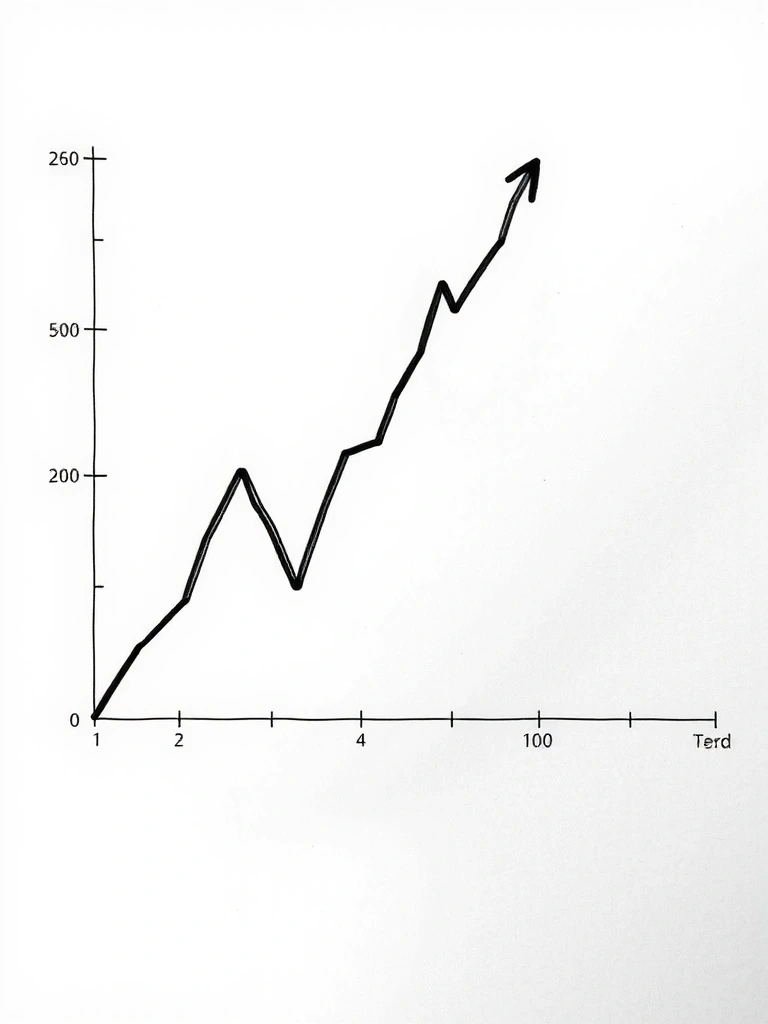

"The long-term trend is our only North Star. Short-term volatility is the price paid for long-term growth." — DAGG INVEST Methodology Note

The Five Evidence-Based Pillars

Our framework is built on principles that have proven robust across decades, not quarters.

1. Market Efficiency as a Foundation, Not a Dogma

We acknowledge that major markets are largely efficient in pricing short-term information. Our focus shifts to structural inefficiencies—behavioral gaps, tax-driven selling, and liquidity dislocations—where long-term value is created through patience and disciplined capital.

2. Diversification Across Dimensions

Moving beyond simple asset class buckets, we model diversification across time (holding periods), geography (currency exposure), and factor exposures (value, quality, size). This multi-dimensional approach builds portfolios resilient to single-point failures.

3. Cost as a Critical Determinant of Return

In a low-return environment, fee drag is decisive. Every 0.10% in saved fees compounds significantly over 20 years. Our institutional fund access and no-commission model are not marketing points—they are mathematical imperatives for client wealth.

4. Liquidity as a Strategic Tool

Liquidity is matched to life-stage needs, not marketed as an afterthought. We map cash flows for education, retirement, or business ventures, avoiding the forced sale of growth assets during downturns—a primary source of portfolio erosion.

5. Sustainability as a Risk Filter

We integrate ESG factors as material financial data, not as a separate "ethical" overlay. Sustainability is a lens for identifying long-term regulatory, operational, and reputational risks that traditional analysis may miss. We favor SFDR Article 8/9 funds where they align with client criteria.

Client Scenario

Pre-Retirement Planner (Age 58)

Bridging the Gap: A Portfolio for the Decade Before Retirement

The Context: A client, aged 58, has a defined benefit pension commencing at 65. They possess significant assets in a company stock plan and want to retire at 62, using investments to bridge the three-year gap to pension income.

The Challenge: The primary risk is sequence of returns. A market downturn just before or during this bridge period could permanently impair retirement income. The classic "60/40" allocation is too volatile for this specific time horizon.

Our Action: We construct a capital preservation ladder.

Years 1-3 (Bridge) 70% High-Grade Bonds / 30% Equities
Years 4-7 (Pension Start) 50% Bonds / 50% Dividend Growth
Years 8+ (Longevity) Global Equities / Inflation Hedges

"The goal is not to maximize return in Year 1. It is to ensure the capital exists to fund Year 3 with predictable cash flow."

The Trade-off: This structure sacrifices upside potential in the early years for certainty of income. It’s a calculated trade-off, where the cost of missing a rally is deemed lower than the risk of depleting capital too early.

Read more about Retirement & Succession Planning →

Avoiding Common Pitfalls: Our Countermeasures

Performance Chasing

Buying yesterday's winners often leads to buying high and selling low.

Countermeasure

We use forward-looking valuation metrics and systematic rebalancing to trim winners and allocate to undervalued assets, adhering to a pre-defined strategy.

Overconcentration

Holding excessive employer stock or a single sector exposes wealth to single-company risk.

Countermeasure

We apply strict position limits and use hedging strategies (e.g., collars) to manage concentration risk while considering tax implications.

Ignoring Tax Efficiency

Realizing gains unnecessarily or holding inefficient assets can erode returns.

Countermeasure

We employ tax-loss harvesting and location optimization, strategically placing high-growth assets in tax-advantaged accounts (e.g., IRA).

Underestimating Inflation

Holding excessive cash long-term silently erodes purchasing power.

Countermeasure

We build inflation-protected income streams using TIPS, real assets (e.g., infrastructure), and equities with pricing power.

Decision Lens: How We Choose Your Portfolio

Every strategy is weighed against these criteria. The final allocation is the point where these factors are optimally balanced for your situation.

Primary Weight

  • Liquidity Needs & Time Horizon
  • Risk Capacity (not just tolerance)
  • Tax Residency & Efficiency

Secondary Weight

  • ESG/Sustainability Criteria
  • Behavioral Profile (Past reactions)
  • Legacy/Charitable Goals

Constraint

  • Fee-Only Model
  • Regulatory Compliance (DE/US)
  • Liquidity for 12-36 Months

Your Capital, Your Timeline, Our Discipline.

A philosophy is only as good as its application. The next step is a detailed discovery session where we map your specific constraints, goals, and preferences to our evidence-based framework.

Book a Fee-Only Consult

No obligation. No sales pitch. We are an advisor, not a seller.

Schedule a Consult